Learning Outcomes:
i. Compare and contrast the XX-XY sex determination system with other mechanisms like XX-XO and ZZ-ZW.
ii. Analyze the role of karyotype analysis in identifying sex chromosome abnormalities.
iii. Appreciate the significance of understanding diverse sex determination systems in reproductive biology and genetic counseling.
Introduction:
We've unraveled the mysteries of the XX-XY sex determination system, where chromosomes hold the key to our male or female identity. But nature, ever the master storyteller, has more chapters to this captivating tale. Let's explore two fascinating variations on the theme: XX-XO and ZZ-ZW sex determination systems, and see how karyotype analysis helps us understand the intricate dance of sex chromosomes.
i. The XX-XO Shuffle: When One X Takes Center Stage
In some species, like grasshoppers and some insects, the XX-XY system takes a twist. Females still have two X chromosomes, but males possess only one X chromosome and lack the Y chromosome entirely (XO). This XX-XO system often results in males with slightly different physical characteristics and potentially reduced fertility compared to XX females. Studying such variations helps us understand how the dosage of X chromosome genes influences sex development and reproductive potential.
ii. The ZZ-ZW Tango: Flipping the Script on Sex Chromosomes
Birds, butterflies, and fish take a different approach to the sex chromosome waltz. In these species, females have two identical Z chromosomes (ZZ), while males possess two different chromosomes, one Z and one W (ZW). Here, the W chromosome, unlike the Y in mammals, doesn't directly influence sex development. Instead, it acts as a "silent partner," allowing the Z chromosome to fully express its female-determining genes. Understanding the ZZ-ZW system highlights the diverse roles chromosomes can play in shaping sex and the remarkable adaptability of life across different species.
iii. Karyotype: Decoding the Chromosomal Story
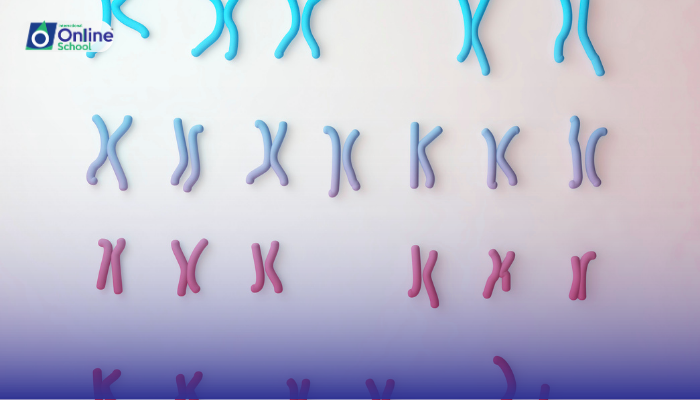
To understand the impact of these diverse sex determination systems, we turn to a powerful tool: karyotype analysis. This technique involves arranging all the chromosomes of an individual in a specific order, like a family photo album. By analyzing the karyotype, we can identify abnormalities in the number or structure of sex chromosomes. For instance, an XXY karyotype in humans indicates Klinefelter syndrome, while a Turner syndrome diagnosis is associated with an XO karyotype. Karyotype analysis plays a crucial role in genetic counseling, helping individuals understand their reproductive potential and potential risks associated with chromosomal abnormalities.
The XX-XY system is just one chapter in the fascinating story of sex determination. Exploring diverse mechanisms like XX-XO and ZZ-ZW broadens our understanding of how chromosomes orchestrate the development of male and female characteristics. Karyotype analysis, as a decoder ring for this intricate story, allows us to identify and understand the implications of chromosomal variations, furthering our knowledge of reproductive biology and paving the way for informed genetic counseling. By appreciating the diversity of sex determination systems and the power of karyotype analysis, we gain a deeper respect for the remarkable adaptability of life and the intricate dance of genes and chromosomes that shapes our individuality.
